1. Define Your Website’s Purpose
Identifying your website’s purpose is crucial for a successful online presence. Start by defining the main goal of your site:
- Portfolio: Display your work and attract potential clients or employers, such as in the case of a web developer.
- E-commerce: Sell products directly to customers.
- Information: Provide valuable content and resources to your audience.
If you’re looking to create a website, platforms like Wix, Squarespace, or WordPress offer accessible options for building your site. However, if you lack the time, resources, or expertise to do this yourself, Designweb is here to help. We specialize in designing and developing bespoke websites tailored to your specific needs using WordPress. Unlike off-the-shelf templates or themes, we craft a custom theme that aligns perfectly with your business goals, ensuring a more professional and personalized approach.
Understanding your target audience’s needs helps you tailor your content effectively. Align these goals with your business objectives to ensure consistency and relevance across all platforms. This may involve considering aspects like domain selection and ensuring that your website’s core version is kept up-to-date for optimal performance. Additionally, leveraging tools such as Radar PR can provide valuable insights into audience engagement and content effectiveness.
2. Choose a Domain Name
A good domain name is crucial for establishing your online presence. It serves as the first impression and reflects your brand identity.
Importance of a Good Domain Name
- Brand Recognition: A memorable domain helps users recall and revisit your site.
- SEO Benefits: Relevant keywords in your domain can improve search engine rankings.
- Professionalism: A well-chosen domain adds credibility to your website.
Tips for Selecting an Effective Domain
- Keep it Short: Aim for 6-14 characters.
- Relevance: Ensure it aligns with your brand or business.
- Avoid Hyphens and Numbers: These can be confusing and hard to remember.
How to Register a Domain
- Select an ICANN-accredited Registrar: Opt for reputable registrars like GoDaddy, Namecheap, or Google Domains.
- Check Availability: Use the registrar’s search tool to check if your desired domain is available.
- Purchase and Register: Follow the registration steps provided by the registrar, including providing contact information and payment details.
For instance, when designing an accessible website, choosing the right domain name that reflects the purpose of the site can significantly enhance user experience.
Furthermore, once you have secured your domain name, it’s essential to find a suitable hosting provider. This choice often complements the hosting strategy, especially if you’re considering options like premium WordPress hosting or e-commerce solutions.
3. Select a Hosting Provider
When choosing a hosting provider, there are several factors to consider to ensure you get a reliable hosting service:
- Storage and Bandwidth: Assess your website’s needs for data storage and bandwidth. High-traffic sites or those with large media files will require more resources.
- User Reviews and Support Availability: Evaluate user reviews to gauge customer satisfaction. Ensure the provider offers robust customer support, ideally 24/7.
- Types of Hosting:
- Shared Hosting: Cost-effective, suitable for small websites with moderate traffic.
- VPS Hosting: Offers more resources and control, ideal for growing websites.
- Dedicated Hosting: Best for high-traffic sites requiring maximum performance and security.
Investing in a professional hosting service is crucial for your business’s online success. A secure, reliable, and fast WordPress hosting platform can significantly enhance your website’s performance Why your business must invest in a professional hosting service.
It’s also essential to keep in mind the potential risks involved with inadequate hosting services. For instance, why your website might get hacked and how you can prevent it is a critical consideration when selecting a hosting provider.
Lastly, remember that the choice of hosting provider can also influence your website’s SEO performance. Therefore, it’s worth exploring options that not only provide reliable hosting but also offer services to enhance your SEO package.
4. Determine the Website Building Method That Suits You Best: A Comparison Between Different Approaches
Website Builders
Popular website builders like Wix and Squarespace offer user-friendly interfaces with drag-and-drop functionality. These platforms are ideal for beginners who want to quickly create visually appealing websites without coding knowledge.
Pros
- Easy to use
- No coding required
- Pre-designed templates
Cons
- Limited customization
- Monthly subscription fees
Content Management Systems (CMS)
WordPress is a widely used CMS that provides flexibility and an extensive range of plugins and themes. It’s suitable for users with some technical skills.
Pros
- Highly customizable
- Large community support
- Extensive plugin library
Cons
- Steeper learning curve
- Requires regular updates and maintenance
Coding from Scratch
For those with advanced technical skills, building a website using HTML, CSS, and JavaScript allows for complete control over design and functionality.
Pros
- Full customization
- No platform limitations
- Enhanced performance optimization
Cons
- Time-consuming
- Requires extensive coding knowledge
Regardless of the method you choose, it’s essential to incorporate tools like Google Analytics into your website. This tool can provide valuable insights, helping you make informed decisions about your site.
If you’re considering building an e-commerce website, remember that page speed issues can significantly affect your site’s performance and user experience. Google research shows that a slow-loading e-commerce site could lose at least 32% of its visitors.
5. Set Up Your Website Based on The Chosen Building Method
Website Builders Setup Process
Creating a professional website using popular website builders like Wix or Squarespace is straightforward. Here’s a step-by-step guide:
- Sign Up for an Account: Visit the website builder’s homepage and create an account using your email address or social media account.
- Choose a Template: Browse through their extensive library of templates and select one that aligns with your brand’s aesthetic.
- Customize Your Design:
- Use the drag-and-drop editor to modify elements like text, images, and videos.
- Add pages and sections as needed (e.g., Homepage, About Page, Contact Section).
- Add Features: Incorporate additional features such as contact forms, social media buttons, or e-commerce functionalities.
WordPress Setup Process
For those opting to use WordPress, the setup process involves a few more technical steps but offers greater customization options:
- One-Click Installation:
Log in to your hosting provider’s control panel.
Locate the one-click installation feature and select WordPress.
Follow the prompts to complete the installation. - Navigating the WordPress Dashboard:
Log in to your new WordPress site using the credentials provided during installation.
Familiarize yourself with the dashboard where you can manage posts, pages, themes, and plugins. - Customize Your Site:
Go to “Appearance” > “Themes” to choose a theme that fits your brand’s style.
Customize your theme by navigating to “Appearance” > “Customize”. Modify colors, fonts, and layouts as per your requirements.
Install essential plugins for added functionality, such as SEO tools or contact forms.
While setting up your website based on these methods ensures that it is both visually appealing and functional from day one, it’s equally important to ensure that your site runs efficiently. This includes monitoring how long your website takes to load, as a faster loading time significantly enhances user experience. Additionally, don’t overlook the necessity of taking regular backups of your WordPress website, which is crucial in case of unexpected issues.
6. Customize Your Site to Reflect Your Brand Identity
Aligning your website’s design with your brand identity is crucial for creating a cohesive and professional online presence. Here are some key site customization techniques:
1. Colors and Fonts
Select a color scheme and typography that mirror your brand’s personality. For instance, if your brand is modern and vibrant, use bold colors and contemporary fonts. Tools like Adobe Color can help you find the perfect palette.
2. Logos and Favicons
Incorporate your logo prominently on the homepage and header. Adding a favicon (the small icon displayed in browser tabs) enhances professionalism. Services like Canva or Adobe Illustrator can assist in creating high-quality logos.
Customizing these branding elements ensures your site not only looks appealing but also reinforces your brand’s identity, making it memorable for visitors.
7. Create Essential Pages That Enhance User Experience
When you create a website, certain pages are fundamental to providing a seamless user experience. These essential website pages form the backbone of your site, ensuring visitors can easily find the information they need.
Key Pages to Include
- Homepage: Your homepage serves as the front door to your website. It’s crucial to make a strong first impression here. Ensure it is visually appealing, easy to navigate, and clearly communicates your site’s purpose.
- About Page: This page allows visitors to learn more about you or your business. Include engaging content that shares your story, mission, and values. Personal anecdotes and professional achievements can build trust and connection.
- Contact Section: Make it easy for visitors to reach out by providing multiple contact options such as email, phone number, and social media links. A contact form can also be helpful for direct inquiries.
Additional Pages Based on Business Type
Depending on your business model, you might need additional pages:
- Blog: If you plan on sharing regular updates or articles, a blog page is essential for engaging with your audience and improving SEO.
- Shop: For e-commerce sites, a well-organized shop page showcasing products with detailed descriptions and clear calls-to-action is vital.
By including these key pages, you lay a solid foundation for an intuitive and engaging user experience that caters to both new visitors and returning users alike.
8. Organize Content Hierarchy For Easy Navigation
Creating a clear and intuitive content hierarchy is crucial for user engagement. Prioritize important information above the fold to capture attention immediately. This means placing key elements like headlines, calls-to-action, and essential visuals in the top portion of your webpage.
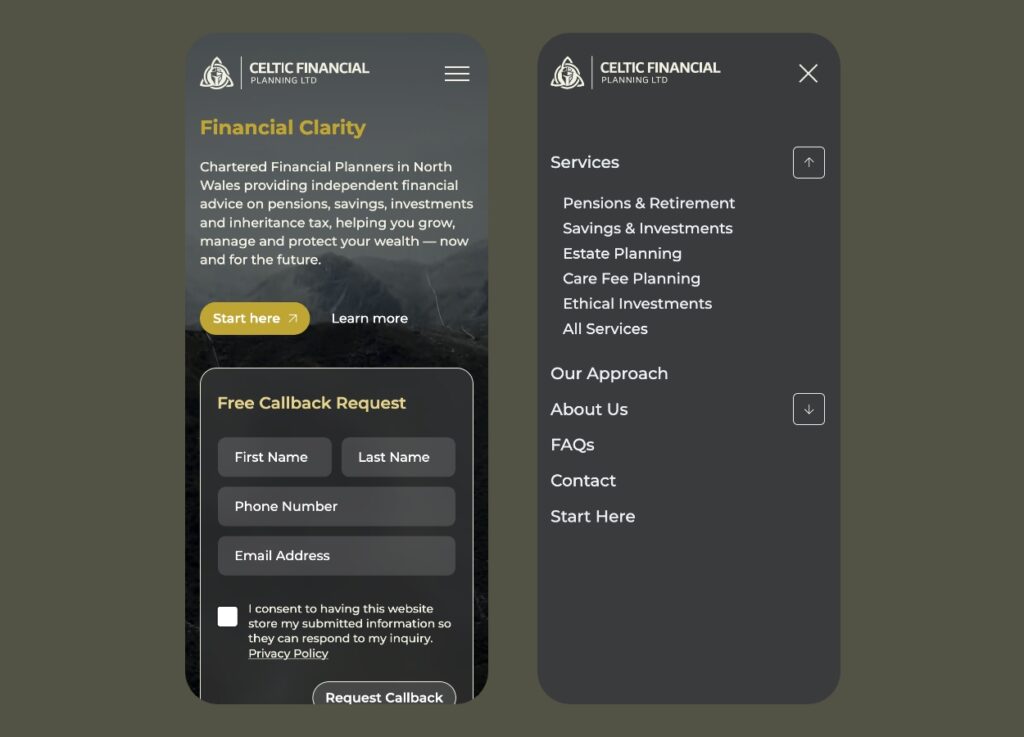
For seamless navigation, use clear menus that categorize content logically. Implement drop-downs or mega menus for extensive websites to organize subcategories effectively. Ensure that each menu item is descriptive yet concise, guiding users effortlessly to their desired sections.
By applying these user experience design principles, you enhance the overall usability of your website, making it accessible and enjoyable for visitors.
9. Optimize Your Website For Search Engines
To enhance your website’s visibility, implementing search engine optimization techniques is crucial. Begin by integrating relevant meta tags and keywords throughout your content. Use keyword research tools to find terms that resonate with your audience and naturally incorporate them into headings, subheadings, and body text.
Key SEO Best Practices:
- Meta Tags: Include title tags and meta descriptions on each page for better search engine indexing.
- Keyword Usage: Use primary and secondary keywords without keyword stuffing.
- Alt Text: Add descriptive alt text to images for improved accessibility and SEO.
Leveraging these strategies will help improve your site’s ranking in search results, driving more organic traffic. This is especially beneficial for various types of businesses that need SEO to thrive online. However, it’s important to stay updated with the latest trends and changes in the digital landscape, such as recent Google algorithm changes which can significantly impact search traffic.
10. Regularly Update Content To Keep Visitors Engaged
Keeping your site fresh with new articles or products is crucial for visitor retention. Regular content updates benefit not only your audience but also your website’s search engine ranking. Consistently publishing new material signals to search engines that your site is active and relevant.
Encouraging visitor engagement can be achieved through several techniques:
- Comments Section: Enable comments on blog posts or product pages to foster interaction and gather feedback.
- Social Media Sharing: Integrate social media sharing buttons to allow visitors to easily share your content, increasing reach and engagement.
By maintaining a dynamic and updated site, you create an engaging environment that encourages repeat visits and higher user interaction.
11. Test Your Website Before Launching It Live
Testing your website is essential to ensure a seamless user experience. Here’s a comprehensive checklist for website testing procedures:
- Testing Links and Forms: Verify that all hyperlinks and forms function correctly across different devices and browsers.
- Ensuring Mobile Responsiveness: Test the mobile version of your site to make sure it adapts well to various screen sizes.
The importance of functionality checks cannot be overstated. Broken links or non-responsive design can frustrate users, leading to high bounce rates. Use tools like Google Mobile-Friendly Test and cross-browser testing platforms to identify and resolve issues before going live.
12. Launch Your Website And Promote It Effectively
After thoroughly testing your website, it’s time to launch and celebrate this important milestone. Make sure you go through a final checklist to confirm everything is in order. This includes:
- Verifying all links and forms are working
- Ensuring the site is mobile-friendly
- Double-checking SEO settings for better search engine visibility
Once your website is live, kickstart your initial marketing strategies to drive traffic:
- Social Media Promotion: Share your launch on platforms like Facebook, Twitter, and LinkedIn.
- Email Newsletters: Inform your subscribers about the new site and highlight key features or content.
Engage with your audience immediately to build momentum and attract visitors right from the start.
Conclusion: A Professional Online Presence Requires Ongoing Maintenance And Adaptation To User Feedback
Creating a professional website is just the beginning. To maintain its relevance and effectiveness, you need to engage in continuous maintenance and adapt to user feedback. Regular updates ensure that your content remains fresh and engaging, which can help retain visitors and improve search engine rankings.
Key aspects to focus on include:
- Monitoring Performance: Use analytics tools like Google Analytics to track visitor behavior and site performance.
- Updating Content: Regularly add new blog posts, product updates, or news articles to keep your audience engaged.
- User Feedback: Actively seek user feedback through surveys or comment sections and make necessary adjustments based on their needs.
SEO adjustments are also critical as search engine algorithms frequently change. Keeping up with these changes by updating meta tags, keywords, and site structure can significantly impact your site’s visibility.
Security is another crucial factor. Ensure that your website’s software is up-to-date with the latest security patches to protect against vulnerabilities.
A successful online presence isn’t static; it evolves with your business and audience. By committing to ongoing maintenance and being responsive to user feedback, you ensure that your website remains a valuable asset for your brand or business.