In today’s digital age, millions of people start their online experience with a search engine. When someone needs a product or service, their first instinct is often to search online. As a result, how visible your business is in search results can directly influence your success. This is where Search Engine Optimisation becomes important. But what exactly is SEO, and do small businesses genuinely need it? This blog explains that clearly and comprehensively, drawing on insights from Design Web.
SEO stands for Search Engine Optimisation. In simple terms, it means improving your website so that search engines can understand it easily and show it to users when it is relevant to their search.
SEO is not about manipulating search engines or using shortcuts. Instead, it focuses on making your website genuinely useful, clear, and trustworthy for real people. When a website meets these standards, search engines are more likely to rank it higher.
SEO generally includes the following key elements:
Content clarity
- Writing clear and informative text
- Answering common customer questions
- Explaining products or services properly
Website structure
- Organising pages logically
- Using clear headings
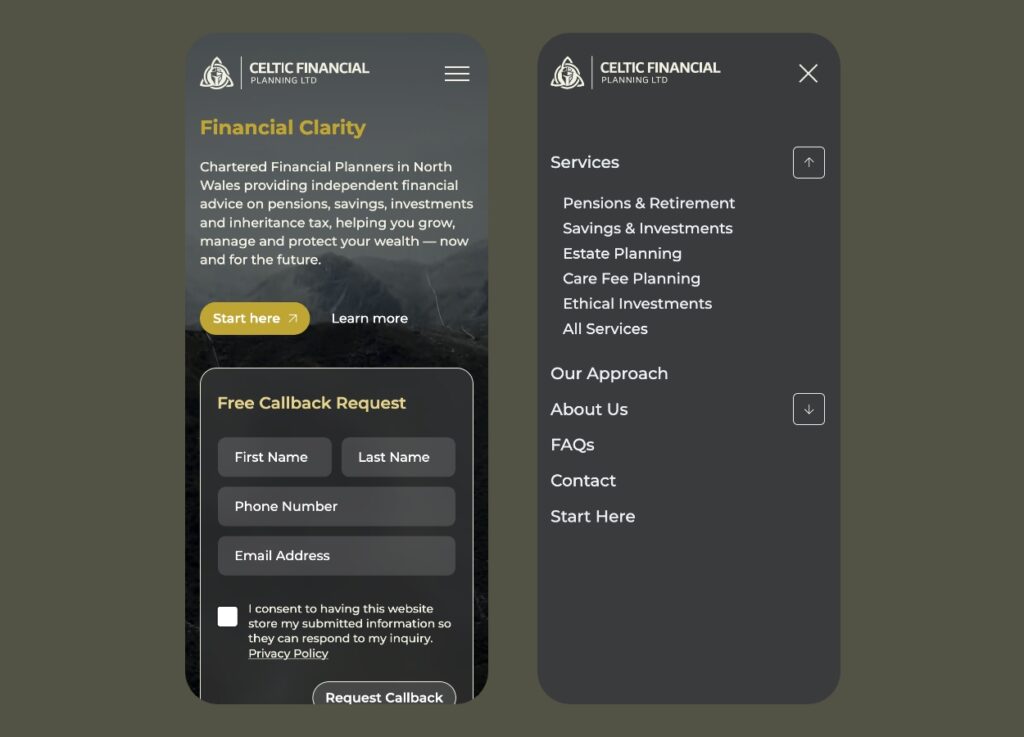
- Making navigation simple and intuitive
Technical performance
- Fast loading times
- Mobile-friendly design
- Secure and stable website setup
Relevance
- Using words and phrases people actually search for
- Matching content to user intent
For small businesses, SEO acts like a digital salesperson that works around the clock. Even when you are not actively marketing, SEO allows potential customers to find your business through search results. It helps you reach people who are already interested in what you offer, making it a highly efficient way to attract attention through effective SEO services.
How Search Engines Decide Rankings
Search engines aim to deliver the most relevant and helpful results for any given search query. To achieve this, they evaluate websites against a range of criteria, including content quality, relevance, and overall optimisation. This is why understanding concepts like do I need SEO is essential for businesses that want to improve their online visibility.
One of the most important factors is relevance. Search engines assess whether a page matches the intent behind a user’s search. For example, if someone types a query such as “local florist near me,” the search engine aims to display pages that genuinely provide information about florists in that specific location.
Content quality is another critical element. Well written, informative, and user focused content tends to perform better in search results. Search engines favour pages that clearly answer user questions and provide genuine value, rather than content that simply repeats keywords without offering useful information.
User experience also plays a major role in how websites are evaluated. A site that is easy to navigate, loads quickly, and functions well on mobile devices is more likely to rank higher than one that is slow or difficult to use. Positive user signals such as longer visit duration and lower bounce rates indicate to search engines that a page is helpful and engaging.
Technical performance is equally important. Websites must be structured in a way that allows search engine bots to crawl and index pages efficiently. This includes having a clean site structure, logical navigation, properly formatted content, and clear metadata that helps search engines understand each page.
Finally, authority and trustworthiness are measured through various signals, including the quality of other reputable websites linking to your content. Clear business information, transparency, and a well written About page also help build trust with both users and search engines. When trusted sources reference your website and your brand details are clearly presented, search engines interpret this as a sign of credibility, which can positively influence rankings.
When SEO Is Needed and When It Is Not
For most small businesses, SEO is not just useful it is essential. If your customers are likely to search online before buying, then being visible in organic search results can make a significant difference to your success.
Small businesses that operate in local markets, such as restaurants, salons, plumbers or retailers, benefit greatly from SEO because it helps them appear in searches conducted by nearby users. Local search optimisation aligns your website with the specific phrases customers use when they need immediate solutions.
SEO is also crucial for businesses seeking long-term, sustainable growth. Paid advertising delivers instant traffic, but once the campaign ends, so does the visibility. SEO, however, continues to generate traffic long after the initial work is completed, making it a cost-effective approach for smaller budgets.
There are situations where SEO may not be the immediate priority. A business without a website should focus on building a solid online foundation first. Short-term promotions may rely more heavily on paid advertising. However, once long-term visibility becomes a goal, SEO quickly becomes indispensable.
Common SEO Myths Among Small Businesses
Despite its benefits, SEO is often misunderstood.
One common myth is that SEO is only for large companies. In reality, small businesses often see stronger returns by targeting local or niche searches.
Another misconception is that SEO delivers instant results. SEO is gradual and requires patience, as search engines need time to process changes and evaluate improvements.
Some businesses believe SEO is only about keywords. While keywords matter, modern SEO also depends on content quality, usability, technical structure and trust.
There is also the belief that SEO can be completed once and forgotten. In truth, search trends, algorithms and competition constantly change, requiring ongoing attention.
Finally, many assume SEO is too technical or expensive. While advanced strategies can be complex, the fundamentals are accessible and effective for most small businesses.
Why SEO Works Best as an Ongoing Process
SEO delivers the strongest results when treated as a continuous strategy rather than a one-time task. Search engines, user behaviour and competition constantly evolve, making regular optimisation essential. Ongoing SEO helps maintain visibility, build authority and support long-term, sustainable growth.
1. SEO Is Not a One-Off Task
- Search engine algorithms change regularly
- Older techniques may lose effectiveness
- Continuous optimisation keeps your site aligned with best practices
2. Regular Website Updates Maintain Visibility
- Refreshing content maintains relevance
- Improving site speed and usability enhances performance
- Expanding content supports emerging customer needs
3. Adapting to Changing User Behaviour
- Search habits evolve over time
- New keywords emerge
- Content must match updated user intent
4. Building and Strengthening Domain Authority
- Authority grows gradually
- Consistent, high-quality content builds trust
- Strong authority supports stable rankings
5. Continuous Analysis Improves Decision-Making
- Tracking traffic and engagement identifies opportunities
- Measuring conversions shows what works
- Data-driven decisions outperform guesswork
6. Supporting Long-Term Business Growth
- SEO delivers sustainable visibility
- It adapts to industry and technology changes
- It aligns with evolving customer expectations
Conclusion
SEO is the practice of improving your website so search engines can understand it and present it to users searching for relevant products or services. While SEO takes time, its benefits including visibility, targeted traffic, credibility and cost efficiency make it essential for most small businesses.
SEO is most effective when treated as an ongoing process that evolves alongside search engines and user behaviour. By understanding its true value and avoiding common myths, small business owners can build a strong online presence that supports growth today and in the future. For tailored guidance or professional support, businesses can reach out via the contact page.